
A nor’easter or tropical system can bring heavy rain, wind, flooding, and power interruptions to Hampton Roads. If you live alone, the useful question is not just what to pack; it is who will check in, how you will get local updates, and what you will do if your usual route or routine changes.
Choose your information sources
Identify the official emergency-management and alert channels for your city or county before a storm is approaching. Local instructions can differ across Hampton Roads, so use the guidance for your own address rather than assuming a neighboring locality’s advice applies.
Write down one out-of-area contact and one nearby person you could check in with, if you have someone you trust. Agree on how you will communicate if cell service or power is disrupted, and tell them what kind of update would prompt a follow-up.
Prepare for your own routine
Set aside essentials you personally rely on, such as a flashlight, charged power bank, bottled water, shelf-stable food, and copies of key contact information. If you use equipment that needs electricity or have other time-sensitive needs, ask your healthcare provider or equipment supplier what backup steps make sense for you.
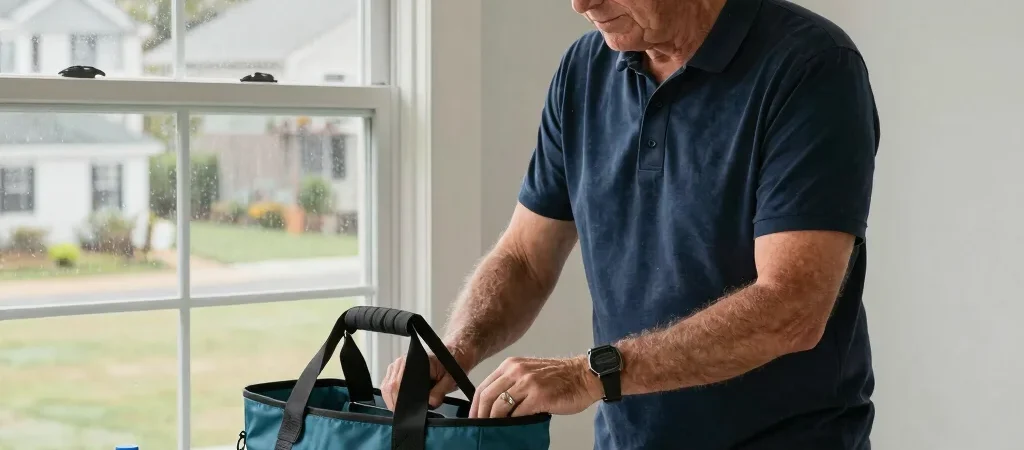
Keep a small go-bag where you can reach it, with comfortable shoes, a change of clothes, personal documents, and any daily necessities you would want if you had to leave home. Check your supplies periodically so expired items or an uncharged battery do not surprise you.
Decide before the warning
Look up the local guidance for evacuation notices, transportation options, and shelters before severe weather is imminent. If you may need a ride or extra time to leave, bring that up with your chosen contact early rather than waiting for conditions to worsen.
Save your plan with your other household information and revisit it before hurricane season or when your circumstances change. A written check-in arrangement and a few confirmed local sources can turn a vague worry into a set of manageable actions.